Observe, Learn, Share.
Colony Worms is a resource hub to share ideas and examples. The primary focus is on nurturing microbial habitats for worms, beneficial fungal and bacterial communities. The main directive is to make at least one mother culture compost pile that you will nurture and then use that pile to inoculate all subsequent piles.
Beneficial Anaerobic Concentrate
This fermented liquid is a group of beneficial bacterial microorganisms that are mostly lactic acid bacteria and some yeasts. These are the same type of species of bacteria that are found in sauerkraut or fermented probiotic foods.
They are also endophytes that can be absorbed directly by plant roots or leaves to act as a fertilizer. It can be used as a soil or compost treatment if diluted with water.
Additional uses include spraying on manure or stinky areas for a fly treatment and to improve odors.
Typical safe dilution is 1:50 — one part product to fifty parts clean, unchlorinated water.
What You'll Find Here
No sales pitch or gatekeeping. Just people making observations, learning about biology and sharing their results — the failures as well as success.
Divert the Waste Stream
Manure, food waste, cardboard, wood chips, and leaves are feedstock, not garbage. Make observations in your system, notice waste streams and try to figure out how to divert waste towards a valuable resource.
Ask Anything
How can we help each other? The primary focus I have is on nurturing composts especially using worms and fungal communities. Secondary is culturing fermentation of beneficial anaerobic microorganisms.
Show Your Work
Post your bins, beds, grow rooms and field trials. Real photos from real setups teach far more than any diagram.
Find Your People
From a single tote in a garage to a quarter section under cover crop — the same biology, at every scale, with people who get it. The principles remain the same, whether it's a square foot or a hundred.
Where to Begin
Let's connect. If you are intrigued by the concept of creating microbial inoculants and ferments, reach out and we can arrange a time on Zoom to find a way to implement some of these practices in your system.
New to Soil Biology
The one principle everything rests on is soil biology. There's certain metrics to pay attention to: mostly moisture and temperature, and also respiration and carbon ratios.
Start HereHumics & Vermicompost
Worms don't only process waste into castings, they also act as a bio-control by cleansing and removing pathogens in their stomachs.
Read the NotesWorking at Scale
Cover crops, no-till and biological amendments on real acres. If you are past the tote-in-the-garage stage and want to level up let's connect. We have a pretty robust online group of people putting in the research and practical application.
ConsultingWaste Streams Into Living Soil
This whole thing is about restoring soil function. Soil is meant to be system that gets better over time- that's the regenerative ideal. Not just sustaining but improving. Manure, food waste, cardboard, leaves — the things most operations pay someone to haul away — are the raw material for some of the highest-value biological amendments there are. The Soil Food Web- all the trophic levels of organisms, should be present in a way that actively recycles nutrients from waste streams and makes them available for growing.
The principle underneath all of it is straightforward: inoculate the soil with strong cultures of biological communities. Nurture those species by managing an environment where they can exist and thrive.
Start Here
From the Field
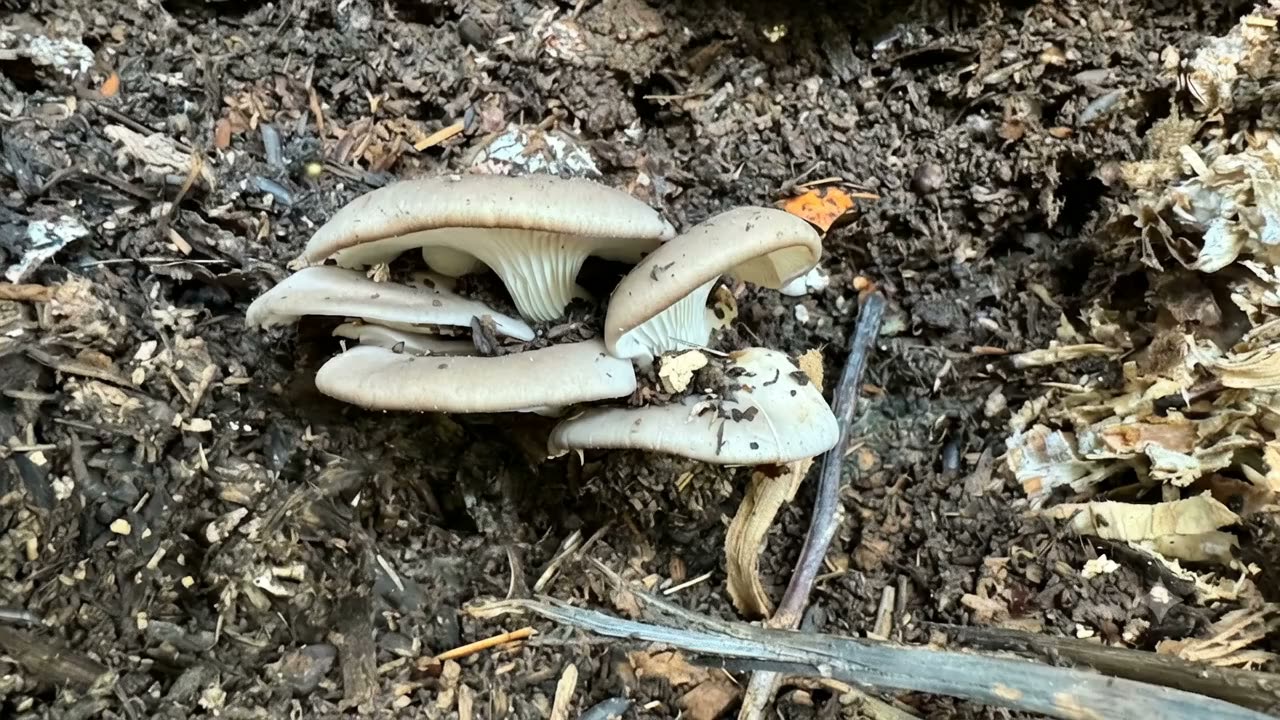
Photographs from our own beds and fields — the soil life, the crops, and the results at scale.


The Shortest Version
Working on Something Specific?
Let's connect. Reach out to me by email or DM on social media.